Buy negligee.eu ?
We are moving the project
negligee.eu .
Are you interested in purchasing the domain
negligee.eu ?
domain@kv-gmbh.de · 0541-91531010
Buy negligee.eu ?
Does disinfectant kill fungi?
Yes, disinfectants can kill fungi. Fungi are susceptible to a variety of disinfectants, including bleach, hydrogen peroxide, and quaternary ammonium compounds. It is important to use the appropriate disinfectant and follow the manufacturer's instructions to effectively kill fungi and prevent their growth. **
Are these mold fungi?
Without being able to see the specific fungi in question, it is difficult to definitively say whether they are mold fungi. However, mold fungi typically appear as fuzzy or powdery growths that are often green, black, or white in color. They thrive in damp, warm environments and can be found on a variety of surfaces. If you suspect that the fungi you are seeing are mold, it is best to have them professionally inspected and tested to determine the exact type of fungi present. **


Similar search terms for Fungi
Top-Angebote
Products related to Fungi:
-
Markslöjd Fungi rechargeable table lamp for outdoor use, black Fungi, dimmable, Black, metal, ModernRechargeable and portable table lamp that can be easily transported from room to room and used outdoors. The lamp is battery-operated and can be used wirelessly for up to 8 hours. Mushroom-shaped and minimalist design made of metal. IP44 protection rating and suitable for temporary outdoor use. Touch dimmer and switch on the top of the shade.75,90 £*Shipping: 4,99 £Secure redirect to the provider
-
Pegasus Press Fungi - Tactical Two-Player Card Game - 113 Cards - MulticolourA tactical two-player card game about gathering, trading, and preparing mushrooms. Players compete to build the most valuable collection while managing the changing woodland and market opportunities. Suitable for ages 10+ and designed for two players.11,16 £*Shipping: 3,95 £Secure redirect to the provider



-
Does ethanol kill fungi?
Yes, ethanol is effective at killing fungi. Ethanol disrupts the cell membrane of fungi, leading to their death. It is commonly used as a disinfectant and antiseptic to kill a wide range of microorganisms, including fungi. Ethanol is often used in healthcare settings and in household cleaning products to eliminate fungal growth on surfaces. **
-
How contagious are fungi?
Fungi can be contagious to varying degrees depending on the specific type of fungus and the individual's immune system. Some fungi, such as those that cause athlete's foot or ringworm, are highly contagious and can easily spread through direct contact with an infected person or contaminated surfaces. Other fungi, such as those that cause fungal pneumonia or systemic fungal infections, are less contagious and typically require more intimate or prolonged contact to spread. It's important to practice good hygiene and take precautions to prevent the spread of fungal infections. **
-
Does my plant have fungi?
To determine if your plant has fungi, look for signs such as discolored or wilting leaves, moldy growth on the soil or plant, or a musty smell. You may also notice fuzzy white or black spots on the plant's leaves or stems. If you suspect fungi, it's best to remove the affected parts of the plant and improve air circulation to prevent further spread. Additionally, you can consult a plant expert or take a sample to a local nursery for identification and treatment recommendations. **
-
How do fungi feed themselves?
Fungi feed themselves by absorbing nutrients from their surroundings. They secrete enzymes that break down organic matter into simpler compounds, which they then absorb through their cell walls. Fungi can obtain nutrients from a variety of sources, including decaying organic material, living organisms, and even inorganic substances. This ability to break down and absorb nutrients from diverse sources is one of the reasons fungi are such successful and widespread organisms in nature. **

Why do fungi form fruiting bodies?
Fungi form fruiting bodies as a means of reproduction. These structures contain spores, which are dispersed into the environment to colonize new areas and start new fungal colonies. Fruiting bodies also help fungi to attract insects or animals that can aid in spore dispersal. Additionally, the formation of fruiting bodies allows fungi to conserve energy and resources until conditions are optimal for spore dispersal and germination. **
What is the metabolism of fungi?
The metabolism of fungi is primarily heterotrophic, meaning they obtain their energy and nutrients from organic sources. Fungi secrete enzymes to break down complex organic molecules into simpler compounds, which they can then absorb and use for energy and growth. Some fungi are also capable of mutualistic relationships with other organisms, such as mycorrhizal fungi that form symbiotic associations with plant roots to exchange nutrients. Overall, the metabolism of fungi is diverse and adaptable, allowing them to thrive in a wide range of environments. **
Top-Angebote
Products related to Fungi:
-
Eladiet Inmuni Fungi 60 CapsulesNutrition and Supplements Algae, Mushrooms and Medicinal Fungi Eladiet Inmuni Fungi 60 Capsules A food supplement based on a combination of four different fungi, rich in polysaccharides and vitamin C, which contributes to the normal functioning of the immune system.18,03 £*Shipping: 3,99 £Secure redirect to the provider
-
Graham & Brown Fungi Folklore WallpaperBring the enchanting world of the forest into your home with our Fungi Folklore Willow Wallpaper. The delicate white linework on a calming sage green backdrop brings a touch of whimsical beauty and nature-inspired elegance.200,00 $*Shipping: 0,00 $Secure redirect to the provider
-
Markslöjd Fungi rechargeable table lamp for outdoor use, black Fungi, dimmable, Black, metal, ModernRechargeable and portable table lamp that can be easily transported from room to room and used outdoors. The lamp is battery-operated and can be used wirelessly for up to 8 hours. Mushroom-shaped and minimalist design made of metal. IP44 protection rating and suitable for temporary outdoor use. Touch dimmer and switch on the top of the shade.75,90 £*Shipping: 4,99 £Secure redirect to the provider
-
Does disinfectant kill fungi?
Yes, disinfectants can kill fungi. Fungi are susceptible to a variety of disinfectants, including bleach, hydrogen peroxide, and quaternary ammonium compounds. It is important to use the appropriate disinfectant and follow the manufacturer's instructions to effectively kill fungi and prevent their growth. **
-
Are these mold fungi?
Without being able to see the specific fungi in question, it is difficult to definitively say whether they are mold fungi. However, mold fungi typically appear as fuzzy or powdery growths that are often green, black, or white in color. They thrive in damp, warm environments and can be found on a variety of surfaces. If you suspect that the fungi you are seeing are mold, it is best to have them professionally inspected and tested to determine the exact type of fungi present. **
-
Does ethanol kill fungi?
Yes, ethanol is effective at killing fungi. Ethanol disrupts the cell membrane of fungi, leading to their death. It is commonly used as a disinfectant and antiseptic to kill a wide range of microorganisms, including fungi. Ethanol is often used in healthcare settings and in household cleaning products to eliminate fungal growth on surfaces. **
-
How contagious are fungi?
Fungi can be contagious to varying degrees depending on the specific type of fungus and the individual's immune system. Some fungi, such as those that cause athlete's foot or ringworm, are highly contagious and can easily spread through direct contact with an infected person or contaminated surfaces. Other fungi, such as those that cause fungal pneumonia or systemic fungal infections, are less contagious and typically require more intimate or prolonged contact to spread. It's important to practice good hygiene and take precautions to prevent the spread of fungal infections. **
Similar search terms for Fungi
-
Pegasus Press Fungi - Tactical Two-Player Card Game - 113 Cards - MulticolourA tactical two-player card game about gathering, trading, and preparing mushrooms. Players compete to build the most valuable collection while managing the changing woodland and market opportunities. Suitable for ages 10+ and designed for two players.11,16 £*Shipping: 3,95 £Secure redirect to the provider
-
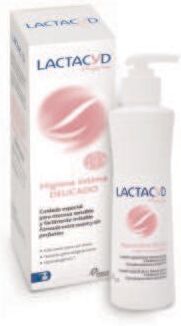
Lactacyd Delicate Intimate 250 mlHealth and Beauty Intimate hygiene Lactacyd Delicate Intimate 250 ml What is Lactacyd Intimate Delicate 250 ml? Lactacyd Gentle Intimate Cleansing Gel 250 ml is a cleansing gel specially formulated for women's daily intimate hygiene. With a physiological pH and enriched with natural lactic acid, this product helps maintain the balance of vaginal flora, providing freshness, softness, and protection all day long. Its gentle formula is free of harsh soaps and is dermatologically and gynecologically tested, making it a safe and effective option for your intimate care routine. Benefits of Lactacyd Intimate Delicate 250 ml Regular use of Lactacyd Intimate Gentle provides multiple benefits: - Helps maintain the natural balance of the intimate area . - Provides a feeling of freshness and prolonged cleanliness . - Respects the physiological vaginal pH , avoiding dryness. - Gentle, soap-free formula, ideal for daily use. - Prevents intimate discomfort such as minor irritation or discomfort. - Provides delicate care even for sensitive skin. With these benefits, Lactacyd Intimate Delicate is positioned as one of the most recommended products for feminine intimate hygiene. Who is Lactacyd Intimate Delicate 250 ml for? This intimate gel is designed to: Women who wish to maintain safe and respectful daily intimate hygiene . - People with sensitive skin looking for a gentle product without harsh ingredients. - Those who experience slight intimate discomfort , dryness or irritation. - Women who want a product recommended by gynecologists and dermatologists for daily intimate care . - In short, Lactacyd Intimate Delicate is for every woman seeking confidence, security, and intimate freshness in her daily life. How do I apply it? The application of Lactacyd Intimate Delicate is very simple: - Apply a small amount of product to the palm of your hand. - Gently wash the external intimate area with delicate movements. - Rinse with plenty of water. - It can be used daily , even several times a day if necessary. - Thanks to its gentle formula, Lactacyd Intimate Gentle does not alter the natural balance and becomes a perfect ally for your feminine hygiene routine. Product use Lactacyd Intimate Delicate is indicated for external use . It can be used: - In the daily shower as part of personal hygiene. - During periods of hormonal changes , such as menstruation or pregnancy. - At times when more delicate hygiene is required, such as after playing sports or in hot climates. - Its constant use provides protection, freshness and well-being throughout the day. Buy Lactacyd Intimate Delicate 250 ml If you're looking for an intimate gel that offers freshness, gentle care, and natural protection , then Lactacyd Intimate Gentle 250 ml is your best option. Buy it in our online store and enjoy a product recommended by specialists to maintain feminine intimate well-being . Buy Lactacyd Intimate Delicate 250 ml now and give your intimate hygiene the confidence and security it deserves.9,30 £*Shipping: 3,99 £Secure redirect to the provider
-
Chilly Delicate Intimate Gel 250 mlHealth and Beauty Intimate hygiene Chilly Delicate Intimate Gel 250 ml Daily intimate cleanser, especially suitable for sensitive skin and mucous membranes. Thanks to its unique soothing formula, enriched with aloe and witch hazel extracts, it has a calming and softening effect. It is gentle on intimate areas, even if irritated. It is especially effective in relieving redness caused by the use of absorbent pads and external pads after sexual intercourse. It helps restore the normal physiological balance of the mucous membranes necessary for the defense of the private parts. It is hypoallergenic, formulated to minimize the risk of allergies.3,62 £*Shipping: 3,99 £Secure redirect to the provider
-
Does my plant have fungi?
To determine if your plant has fungi, look for signs such as discolored or wilting leaves, moldy growth on the soil or plant, or a musty smell. You may also notice fuzzy white or black spots on the plant's leaves or stems. If you suspect fungi, it's best to remove the affected parts of the plant and improve air circulation to prevent further spread. Additionally, you can consult a plant expert or take a sample to a local nursery for identification and treatment recommendations. **
-
How do fungi feed themselves?
Fungi feed themselves by absorbing nutrients from their surroundings. They secrete enzymes that break down organic matter into simpler compounds, which they then absorb through their cell walls. Fungi can obtain nutrients from a variety of sources, including decaying organic material, living organisms, and even inorganic substances. This ability to break down and absorb nutrients from diverse sources is one of the reasons fungi are such successful and widespread organisms in nature. **
-
Why do fungi form fruiting bodies?
Fungi form fruiting bodies as a means of reproduction. These structures contain spores, which are dispersed into the environment to colonize new areas and start new fungal colonies. Fruiting bodies also help fungi to attract insects or animals that can aid in spore dispersal. Additionally, the formation of fruiting bodies allows fungi to conserve energy and resources until conditions are optimal for spore dispersal and germination. **
-
What is the metabolism of fungi?
The metabolism of fungi is primarily heterotrophic, meaning they obtain their energy and nutrients from organic sources. Fungi secrete enzymes to break down complex organic molecules into simpler compounds, which they can then absorb and use for energy and growth. Some fungi are also capable of mutualistic relationships with other organisms, such as mycorrhizal fungi that form symbiotic associations with plant roots to exchange nutrients. Overall, the metabolism of fungi is diverse and adaptable, allowing them to thrive in a wide range of environments. **
* All prices are inclusive of VAT and, if applicable, plus shipping costs. The offer information is based on the details provided by the respective shop and is updated through automated processes. Real-time updates do not occur, so deviations can occur in individual cases. ** Note: Parts of this content were created by AI.