Buy negligee.eu ?
We are moving the project
negligee.eu .
Are you interested in purchasing the domain
negligee.eu ?
domain@kv-gmbh.de · 0541-91531010
Buy negligee.eu ?
What is the deontological perspective?
The deontological perspective is an ethical theory that focuses on the inherent rightness or wrongness of actions themselves, rather than the consequences of those actions. It is based on the idea that certain actions are morally obligatory regardless of their outcomes. Deontologists believe that individuals have a duty to follow certain moral rules or principles, such as honesty or respecting others' autonomy, regardless of the potential benefits or harms that may result. This perspective is often associated with philosophers like Immanuel Kant, who argued that moral principles are universal and apply to all rational beings. **
What is meant by deontological and teleological?
Deontological ethics is an ethical theory that focuses on the inherent rightness or wrongness of actions themselves, rather than the consequences of those actions. It emphasizes the importance of following moral rules and duties, regardless of the outcomes. On the other hand, teleological ethics, also known as consequentialism, is an ethical theory that evaluates the morality of actions based on their outcomes or consequences. It emphasizes the idea that the rightness or wrongness of an action is determined by the overall good or bad results it produces. In summary, deontological ethics focuses on the inherent nature of actions, while teleological ethics focuses on the outcomes of actions. **

Similar search terms for Deontological
Top-Angebote
Products related to Deontological:
-
Chilly Delicate Intimate Gel 250 mlHealth and Beauty Intimate hygiene Chilly Delicate Intimate Gel 250 ml Daily intimate cleanser, especially suitable for sensitive skin and mucous membranes. Thanks to its unique soothing formula, enriched with aloe and witch hazel extracts, it has a calming and softening effect. It is gentle on intimate areas, even if irritated. It is especially effective in relieving redness caused by the use of absorbent pads and external pads after sexual intercourse. It helps restore the normal physiological balance of the mucous membranes necessary for the defense of the private parts. It is hypoallergenic, formulated to minimize the risk of allergies.3,61 £*Shipping: 3,99 £Secure redirect to the provider
-
Chilly Delicate intimate hygiene gel 300 mlChilly Delicate, 300 ml, Intimate Wash for Women, Want to feel fresh and confident? This product from ChillyDelicate gently cares for the outer parts of your intimates, helps keep them clean and provides a feeling of comfort. In addition, it is specially formulated to respect and not compromise the natural pH of the intimate area skin, which is key to maintaining proper and balanced intimate hygiene. Characteristics: gently washes sensitive parts of the body reduces irritation and redness moisturises intensely does not irritate gives a long-term feeling of freshness Ingredients: aloe vera – has highly hydrating and regenerative effects, antioxidant properties, helps protect against free radicals and dryness lactic acid – helps to remove dead skin cells, supports the natural process of cell renewal and at the same time has hydrating effects, smooths rough texture and unclogs pores citric acid – removes dead skin cells by exfoliation, helps to restore the top layer of skin, contributes to a balanced tone, brightens and smooths witch hazel – thanks to its strong astringent effects, it tightens pores, cleanses, tones, soothes and brightens, promotes skin microcirculation, helps with water retention, regulates sebum production and counteracts acne How to use: Apply a small amount of the product to intimate parts, then rinse thoroughly.3,23 £*Shipping: 3,99 £Secure redirect to the provider
-
Cottelli - Seductive Lace Bra Set (Red)This stunning red lace lingerie set is a truly sensual and elegant choice. Why you'll love it: Sexy design: The open cup bra and completely open thong give a provocative and alluring look. Comfortable wear: The stretchy lace material ensures the perfect fit, making it comfy to wear all day long. Elegant details: Delicate bows and intricate lace design enhance its elegance. Things to note: Sensitive material, so hand wash is recommended for long-lasting wear. How to use it: Wear this set on special occasions or romantic evenings for a uniquely sensual impact. Pair it with a matching robe or stockings to further highlight your look. What's in the package: 1 open cup bra 1 completely open thong Product features: Color: Red Material: 90% Polyamide, 10% Elastane User manual27,10 £*Shipping: 6,10 £Secure redirect to the provider
-
Chilly Delicate No Rinse gentle cleansing foam for intimate hygiene 100 mlChilly Delicate No Rinse, 100 ml, Intimate Wash for Women, Want to feel fresh and confident? This product from ChillyDelicateNo Rinse gently cares for the outer parts of your intimates, helps keep them clean and provides a feeling of comfort. In addition, it is specially formulated to respect and not compromise the natural pH of the intimate area skin, which is key to maintaining proper and balanced intimate hygiene. Characteristics: gently washes sensitive parts of the body gentle fragrance gives a long-term feeling of freshness does not irritate practical and sanitary application leaves a refreshing feeling How to use: Apply to the exterior of your intimate parts. Wipe off gently.4,17 £*Shipping: 3,99 £Secure redirect to the provider




-
Does Kant's deontological ethics contradict Aristotle's eudaemonistic ethics?
Kant's deontological ethics and Aristotle's eudaemonistic ethics have some fundamental differences, but they do not necessarily contradict each other. Kant's ethics focus on duty and the intention behind actions, while Aristotle's ethics emphasize achieving eudaimonia, or human flourishing, through virtuous actions. While Kant's emphasis on duty can sometimes conflict with Aristotle's emphasis on virtue, both ethical theories ultimately aim to guide individuals towards leading a good and moral life. Therefore, while they may approach ethics from different perspectives, they can be seen as complementary rather than contradictory. **
-
Does discourse ethics have a teleological or deontological approach?
Discourse ethics is primarily associated with a deontological approach. It focuses on the principles of communication and interaction between individuals, emphasizing the importance of ethical norms and rules in guiding discourse. The goal is to ensure that communication is based on mutual respect, equality, and rationality, rather than aiming towards a specific outcome or goal. By prioritizing the ethical principles of communication, discourse ethics aims to create a fair and just dialogue among participants. **
-
What is the difference between deontological ethics and utilitarianism?
Deontological ethics is an ethical theory that focuses on the inherent rightness or wrongness of actions themselves, regardless of their consequences. It emphasizes the importance of following moral rules and duties, such as telling the truth or keeping promises, regardless of the outcomes. On the other hand, utilitarianism is a consequentialist ethical theory that evaluates the morality of actions based on their outcomes. It prioritizes maximizing overall happiness or well-being for the greatest number of people, often through the calculation of benefits and harms. In summary, deontological ethics emphasizes the inherent morality of actions, while utilitarianism focuses on the consequences of actions. **
-
Is deontological ethics exactly the same as the categorical imperative?
Deontological ethics is a broader ethical theory that states that actions are inherently right or wrong, regardless of their consequences. The categorical imperative, on the other hand, is a specific formulation within deontological ethics proposed by Immanuel Kant. While the categorical imperative is a key component of deontological ethics, deontological ethics encompasses a wider range of principles and theories beyond just the categorical imperative. **


What are the differences between deontological ethics and utilitarian ethics?
Deontological ethics, also known as duty-based ethics, focuses on the inherent rightness or wrongness of actions themselves, regardless of their consequences. It emphasizes following moral rules and duties, such as telling the truth or keeping promises, based on principles like the categorical imperative. On the other hand, utilitarian ethics, also known as consequentialist ethics, prioritizes the outcomes or consequences of actions. It aims to maximize overall happiness or well-being for the greatest number of people, often through the calculation of benefits and harms. While deontological ethics emphasizes duty and rules, utilitarian ethics prioritizes the greatest good for the greatest number. **
What is the difference between deontological ethics and utilitarian ethics?
Deontological ethics, also known as duty-based ethics, focuses on the inherent rightness or wrongness of actions themselves, regardless of their consequences. This means that certain actions are considered morally right or wrong based on whether they adhere to a set of rules or principles. On the other hand, utilitarian ethics, also known as consequentialist ethics, evaluates the morality of actions based on their outcomes or consequences. In utilitarianism, the rightness or wrongness of an action is determined by its ability to produce the greatest overall happiness or pleasure for the greatest number of people. **
Top-Angebote
Products related to Deontological:
-
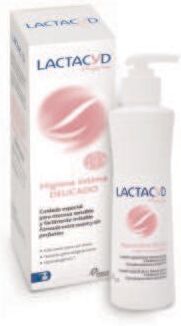
Lactacyd Delicate Intimate 250 mlHealth and Beauty Intimate hygiene Lactacyd Delicate Intimate 250 ml What is Lactacyd Intimate Delicate 250 ml? Lactacyd Gentle Intimate Cleansing Gel 250 ml is a cleansing gel specially formulated for women's daily intimate hygiene. With a physiological pH and enriched with natural lactic acid, this product helps maintain the balance of vaginal flora, providing freshness, softness, and protection all day long. Its gentle formula is free of harsh soaps and is dermatologically and gynecologically tested, making it a safe and effective option for your intimate care routine. Benefits of Lactacyd Intimate Delicate 250 ml Regular use of Lactacyd Intimate Gentle provides multiple benefits: - Helps maintain the natural balance of the intimate area . - Provides a feeling of freshness and prolonged cleanliness . - Respects the physiological vaginal pH , avoiding dryness. - Gentle, soap-free formula, ideal for daily use. - Prevents intimate discomfort such as minor irritation or discomfort. - Provides delicate care even for sensitive skin. With these benefits, Lactacyd Intimate Delicate is positioned as one of the most recommended products for feminine intimate hygiene. Who is Lactacyd Intimate Delicate 250 ml for? This intimate gel is designed to: Women who wish to maintain safe and respectful daily intimate hygiene . - People with sensitive skin looking for a gentle product without harsh ingredients. - Those who experience slight intimate discomfort , dryness or irritation. - Women who want a product recommended by gynecologists and dermatologists for daily intimate care . - In short, Lactacyd Intimate Delicate is for every woman seeking confidence, security, and intimate freshness in her daily life. How do I apply it? The application of Lactacyd Intimate Delicate is very simple: - Apply a small amount of product to the palm of your hand. - Gently wash the external intimate area with delicate movements. - Rinse with plenty of water. - It can be used daily , even several times a day if necessary. - Thanks to its gentle formula, Lactacyd Intimate Gentle does not alter the natural balance and becomes a perfect ally for your feminine hygiene routine. Product use Lactacyd Intimate Delicate is indicated for external use . It can be used: - In the daily shower as part of personal hygiene. - During periods of hormonal changes , such as menstruation or pregnancy. - At times when more delicate hygiene is required, such as after playing sports or in hot climates. - Its constant use provides protection, freshness and well-being throughout the day. Buy Lactacyd Intimate Delicate 250 ml If you're looking for an intimate gel that offers freshness, gentle care, and natural protection , then Lactacyd Intimate Gentle 250 ml is your best option. Buy it in our online store and enjoy a product recommended by specialists to maintain feminine intimate well-being . Buy Lactacyd Intimate Delicate 250 ml now and give your intimate hygiene the confidence and security it deserves.9,30 £*Shipping: 3,99 £Secure redirect to the provider
-
Chilly Delicate Intimate Gel 250 mlHealth and Beauty Intimate hygiene Chilly Delicate Intimate Gel 250 ml Daily intimate cleanser, especially suitable for sensitive skin and mucous membranes. Thanks to its unique soothing formula, enriched with aloe and witch hazel extracts, it has a calming and softening effect. It is gentle on intimate areas, even if irritated. It is especially effective in relieving redness caused by the use of absorbent pads and external pads after sexual intercourse. It helps restore the normal physiological balance of the mucous membranes necessary for the defense of the private parts. It is hypoallergenic, formulated to minimize the risk of allergies.3,61 £*Shipping: 3,99 £Secure redirect to the provider
-
Chilly Delicate intimate hygiene gel 300 mlChilly Delicate, 300 ml, Intimate Wash for Women, Want to feel fresh and confident? This product from ChillyDelicate gently cares for the outer parts of your intimates, helps keep them clean and provides a feeling of comfort. In addition, it is specially formulated to respect and not compromise the natural pH of the intimate area skin, which is key to maintaining proper and balanced intimate hygiene. Characteristics: gently washes sensitive parts of the body reduces irritation and redness moisturises intensely does not irritate gives a long-term feeling of freshness Ingredients: aloe vera – has highly hydrating and regenerative effects, antioxidant properties, helps protect against free radicals and dryness lactic acid – helps to remove dead skin cells, supports the natural process of cell renewal and at the same time has hydrating effects, smooths rough texture and unclogs pores citric acid – removes dead skin cells by exfoliation, helps to restore the top layer of skin, contributes to a balanced tone, brightens and smooths witch hazel – thanks to its strong astringent effects, it tightens pores, cleanses, tones, soothes and brightens, promotes skin microcirculation, helps with water retention, regulates sebum production and counteracts acne How to use: Apply a small amount of the product to intimate parts, then rinse thoroughly.3,23 £*Shipping: 3,99 £Secure redirect to the provider
-
What is the deontological perspective?
The deontological perspective is an ethical theory that focuses on the inherent rightness or wrongness of actions themselves, rather than the consequences of those actions. It is based on the idea that certain actions are morally obligatory regardless of their outcomes. Deontologists believe that individuals have a duty to follow certain moral rules or principles, such as honesty or respecting others' autonomy, regardless of the potential benefits or harms that may result. This perspective is often associated with philosophers like Immanuel Kant, who argued that moral principles are universal and apply to all rational beings. **
-
What is meant by deontological and teleological?
Deontological ethics is an ethical theory that focuses on the inherent rightness or wrongness of actions themselves, rather than the consequences of those actions. It emphasizes the importance of following moral rules and duties, regardless of the outcomes. On the other hand, teleological ethics, also known as consequentialism, is an ethical theory that evaluates the morality of actions based on their outcomes or consequences. It emphasizes the idea that the rightness or wrongness of an action is determined by the overall good or bad results it produces. In summary, deontological ethics focuses on the inherent nature of actions, while teleological ethics focuses on the outcomes of actions. **
-
Does Kant's deontological ethics contradict Aristotle's eudaemonistic ethics?
Kant's deontological ethics and Aristotle's eudaemonistic ethics have some fundamental differences, but they do not necessarily contradict each other. Kant's ethics focus on duty and the intention behind actions, while Aristotle's ethics emphasize achieving eudaimonia, or human flourishing, through virtuous actions. While Kant's emphasis on duty can sometimes conflict with Aristotle's emphasis on virtue, both ethical theories ultimately aim to guide individuals towards leading a good and moral life. Therefore, while they may approach ethics from different perspectives, they can be seen as complementary rather than contradictory. **
-
Does discourse ethics have a teleological or deontological approach?
Discourse ethics is primarily associated with a deontological approach. It focuses on the principles of communication and interaction between individuals, emphasizing the importance of ethical norms and rules in guiding discourse. The goal is to ensure that communication is based on mutual respect, equality, and rationality, rather than aiming towards a specific outcome or goal. By prioritizing the ethical principles of communication, discourse ethics aims to create a fair and just dialogue among participants. **
Similar search terms for Deontological
-
Cottelli - Seductive Lace Bra Set (Red)This stunning red lace lingerie set is a truly sensual and elegant choice. Why you'll love it: Sexy design: The open cup bra and completely open thong give a provocative and alluring look. Comfortable wear: The stretchy lace material ensures the perfect fit, making it comfy to wear all day long. Elegant details: Delicate bows and intricate lace design enhance its elegance. Things to note: Sensitive material, so hand wash is recommended for long-lasting wear. How to use it: Wear this set on special occasions or romantic evenings for a uniquely sensual impact. Pair it with a matching robe or stockings to further highlight your look. What's in the package: 1 open cup bra 1 completely open thong Product features: Color: Red Material: 90% Polyamide, 10% Elastane User manual27,10 £*Shipping: 6,10 £Secure redirect to the provider
-
Chilly Delicate No Rinse gentle cleansing foam for intimate hygiene 100 mlChilly Delicate No Rinse, 100 ml, Intimate Wash for Women, Want to feel fresh and confident? This product from ChillyDelicateNo Rinse gently cares for the outer parts of your intimates, helps keep them clean and provides a feeling of comfort. In addition, it is specially formulated to respect and not compromise the natural pH of the intimate area skin, which is key to maintaining proper and balanced intimate hygiene. Characteristics: gently washes sensitive parts of the body gentle fragrance gives a long-term feeling of freshness does not irritate practical and sanitary application leaves a refreshing feeling How to use: Apply to the exterior of your intimate parts. Wipe off gently.4,17 £*Shipping: 3,99 £Secure redirect to the provider
-
What is the difference between deontological ethics and utilitarianism?
Deontological ethics is an ethical theory that focuses on the inherent rightness or wrongness of actions themselves, regardless of their consequences. It emphasizes the importance of following moral rules and duties, such as telling the truth or keeping promises, regardless of the outcomes. On the other hand, utilitarianism is a consequentialist ethical theory that evaluates the morality of actions based on their outcomes. It prioritizes maximizing overall happiness or well-being for the greatest number of people, often through the calculation of benefits and harms. In summary, deontological ethics emphasizes the inherent morality of actions, while utilitarianism focuses on the consequences of actions. **
-
Is deontological ethics exactly the same as the categorical imperative?
Deontological ethics is a broader ethical theory that states that actions are inherently right or wrong, regardless of their consequences. The categorical imperative, on the other hand, is a specific formulation within deontological ethics proposed by Immanuel Kant. While the categorical imperative is a key component of deontological ethics, deontological ethics encompasses a wider range of principles and theories beyond just the categorical imperative. **
-
What are the differences between deontological ethics and utilitarian ethics?
Deontological ethics, also known as duty-based ethics, focuses on the inherent rightness or wrongness of actions themselves, regardless of their consequences. It emphasizes following moral rules and duties, such as telling the truth or keeping promises, based on principles like the categorical imperative. On the other hand, utilitarian ethics, also known as consequentialist ethics, prioritizes the outcomes or consequences of actions. It aims to maximize overall happiness or well-being for the greatest number of people, often through the calculation of benefits and harms. While deontological ethics emphasizes duty and rules, utilitarian ethics prioritizes the greatest good for the greatest number. **
-
What is the difference between deontological ethics and utilitarian ethics?
Deontological ethics, also known as duty-based ethics, focuses on the inherent rightness or wrongness of actions themselves, regardless of their consequences. This means that certain actions are considered morally right or wrong based on whether they adhere to a set of rules or principles. On the other hand, utilitarian ethics, also known as consequentialist ethics, evaluates the morality of actions based on their outcomes or consequences. In utilitarianism, the rightness or wrongness of an action is determined by its ability to produce the greatest overall happiness or pleasure for the greatest number of people. **
* All prices are inclusive of VAT and, if applicable, plus shipping costs. The offer information is based on the details provided by the respective shop and is updated through automated processes. Real-time updates do not occur, so deviations can occur in individual cases. ** Note: Parts of this content were created by AI.